

Sharing insights from decades of experience, an accomplished businessman once reflected: “The road from an idea to a scalable business is rarely straight. It’s a winding path of decisions, experiments, failures, and small wins — all stitched together by vision and relentless execution.”
In this article, we break down the startup journey into clear, relatable phases and inspire every aspiring entrepreneur to move from dreaming to building.
Every empire starts with a single idea.
But an idea alone isn’t enough.
At its core, the idea needs to solve a real problem, fill a market gap, or create a new opportunity. In the early stages, aspiring entrepreneurs must ask themselves:
Reflection, validation, and refinement are critical here. Many entrepreneurs fall in love with their ideas without testing if others see the value. Great founders listen more than they speak in the early days. They observe, research, and ask potential customers for feedback.
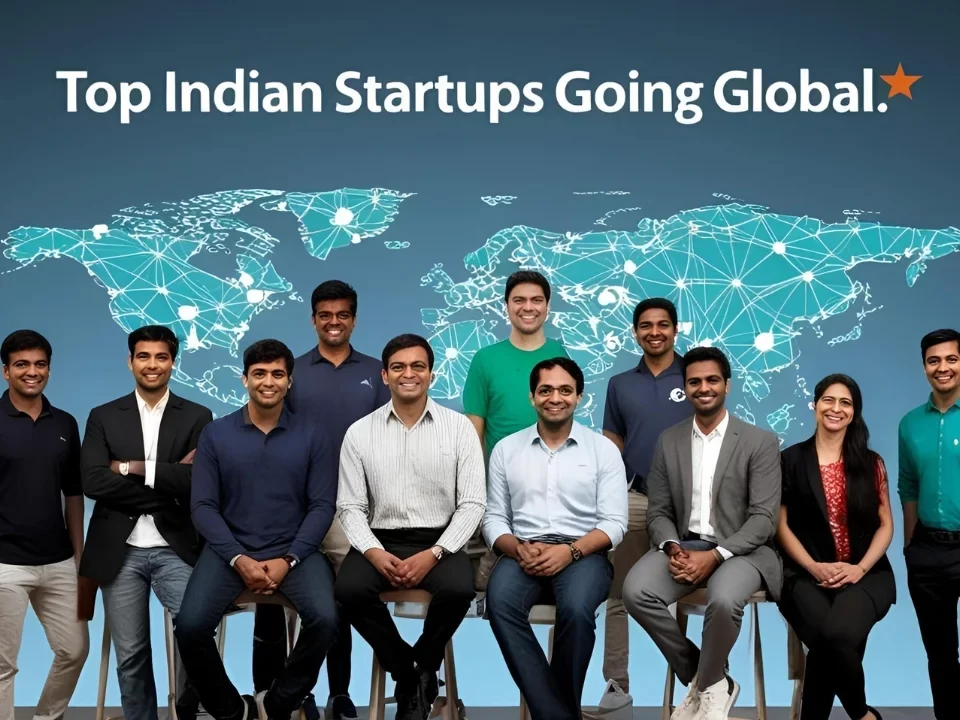
╰┈➤ Top 10 Indian Wellness Startups That Are Going Global
Once the idea feels promising, it’s time to validate it.
This doesn’t require a million-dollar budget. It demands a practical approach:
The goal of validation is simple: Prove there is demand before building at scale.
Many startups fail because they build products people don’t want. Validation saves time, money, and heartache by forcing early course corrections.
A seasoned entrepreneur will always say: “Fall in love with the problem, not your solution.”
╰┈➤ Exploring Ayurvedic Third-Party Manufacturing: A Guide for Startups
Once validation offers encouraging signs, the next step is forming the startup legally and structurally.
This phase involves:
While the paperwork may seem tedious, building a strong legal and operational foundation early on prevents complications later. It also signals seriousness to future investors, partners, and employees.
Important Tip: Good founders know when to seek professional help — a lawyer for contracts, a chartered accountant for compliance, a mentor for early guidance.
Turning an idea into a real product or service is where dreams meet reality.
This phase demands:
Instead of chasing perfection, successful startups focus on launching fast and learning faster.
This is the stage where many hidden challenges emerge:
Yet, every challenge offers a priceless lesson. Experienced entrepreneurs emphasize agility over stubbornness — if something isn’t working, pivot quickly without losing sight of the bigger mission.
╰┈➤ 5AM Routine: How Successful Entrepreneurs Start Their Day
Traction separates an idea from a business.
Once the product is launched, the focus must shift entirely to:
A startup’s first hundred customers are often its hardest to win — but they are also the most important. They offer validation to future customers, investors, and even to the founding team.
Growth at this stage isn’t just about sales numbers; it’s about building trust, delivering value consistently, and creating early advocates.
Key Learning: In the early days, personal relationships with customers often matter more than broad marketing efforts.
╰┈➤ Elevate Your Health Journey with Ayubal Wellness
After initial traction comes the biggest test: scaling.
Scaling is not just about growing bigger; it’s about growing sustainably.
No empire is built alone.
Founders need to:
Early hires are culture carriers. Hiring the wrong people at this stage can be fatal, even more than a product failure.
Most startups will eventually need external funding to scale.
Funding can come from:
But funding should be seen as a means, not the end goal. A good business grows because of customers, not investors.
Reality Check: Investors back people first, ideas second. They look for founders who are coachable, resilient, and obsessed with solving a real problem.
╰┈➤ Sustainable Manufacturing for a Better Future
A mature startup begins to operate less like a scrappy team and more like a real company.
This phase requires:
Important Insight:
Processes don’t kill innovation — they enable it at scale. Without discipline, even the most innovative startups crumble under the weight of their own growth.
Mature startups also focus on brand building — not just in terms of marketing, but in how they deliver consistent experiences to customers.
Success brings its own challenges.
The market evolves, competitors emerge, customer expectations rise.
To stay relevant, startups must:
An empire that stops innovating eventually crumbles.
An accomplished businessman put it best:
“A startup is a living organism. If it stops evolving, it starts dying.”
No startup succeeds in isolation.
Thriving entrepreneurial ecosystems — built by industry veterans, investors, mentors, policymakers, and media — play a critical role.
They offer:
An industry that fosters startups creates jobs, drives innovation, and fuels economic growth.
Investors who back early-stage ideas create the next generation of companies.
Policy makers who enable ease of doing business accelerate this cycle.
Thus, nurturing startups isn’t just about individual success stories; it’s about building a robust future economy.
Every successful startup began with one brave individual daring to believe that things could be better.
The journey from idea to empire isn’t easy. It demands vision, relentless execution, adaptability, and patience.
It involves hundreds of small steps, each building upon the last, until one day the world calls it an “overnight success.”
If you have an idea burning inside you, now is the time.
Start small, think big, learn fast, and never stop moving forward.
Reflect on that one idea you’ve been holding onto.
What small step can you take today to bring it closer to reality?
Share your thoughts, gather feedback, and remember: the only way to build an empire is to start.