Why Wealth Without Wellness is a Losing Game

In today’s fast-paced world, financial success is often seen as the ultimate benchmark of achievement. Entrepreneurs, professionals, and business leaders dedicate years of their lives to building wealth, chasing higher profits, and expanding their influence. But what happens when wealth is gained at the expense of health, relationships, and mental well-being?
History and experience show that financial success without personal wellness leads to burnout, chronic illness, and an unfulfilled life. This is not just a philosophical idea—it is a harsh reality witnessed among some of the world’s most successful individuals.
Hari Ram Rinwa, a strong advocate of holistic success, believes that true wealth is a combination of financial prosperity and well-being. Without wellness, money loses its value, and life’s achievements become hollow. This blog explores why maintaining a balance between wealth and wellness is crucial and how you can achieve sustainable success.
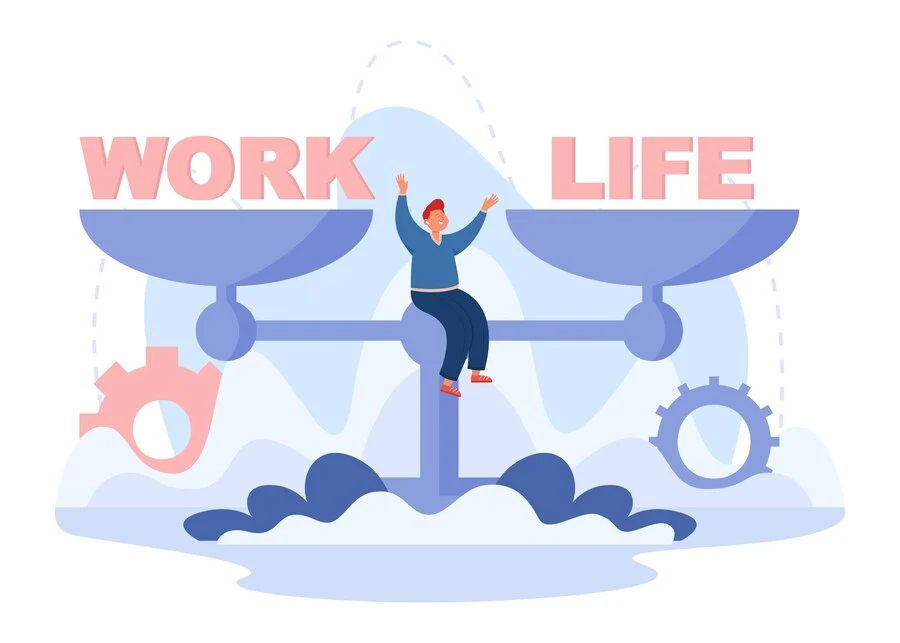
The Hidden Cost of Wealth Without Wellness
Many people assume that once they accumulate enough money, they can buy their way into health and happiness. However, the truth is that neglecting wellness in the pursuit of wealth often leads to irreversible damage.
1. The Price of Chronic Stress
The modern definition of success often comes with long working hours, high-pressure decision-making, and an “always-on” lifestyle. Studies show that chronic stress is a major contributor to:
- Cardiovascular diseases – Prolonged stress increases heart rate and blood pressure, putting strain on the cardiovascular system. Over time, this can lead to heart disease, arrhythmias, and a higher risk of heart attacks. Stress-induced inflammation also plays a role in plaque buildup in arteries.
- High blood pressure – Stress triggers the release of cortisol and adrenaline, causing blood vessels to constrict and elevate blood pressure. Continuous elevation can weaken arteries, increasing the risk of strokes and kidney damage. Poor lifestyle habits due to stress, like unhealthy eating, further worsen the condition.
- Mental health disorders like anxiety and depression – Chronic stress disrupts brain chemistry, leading to imbalances in serotonin and dopamine levels. This results in persistent feelings of worry, irritability, and emotional exhaustion. Left unmanaged, stress can escalate into clinical anxiety and depression, affecting personal and professional life.
- Weakened immune function – Long-term stress suppresses immune responses, making the body more susceptible to infections and illnesses. It reduces the production of white blood cells, impairing the body’s ability to fight off pathogens. This can lead to frequent colds, slow healing, and increased vulnerability to chronic diseases.
Entrepreneurs and executives who prioritize work over well-being frequently experience health breakdowns in their 40s and 50s, forcing them to step back and re-evaluate their lives.
2. Wealth Does Not Guarantee Longevity
A striking example of this is the life of Steve Jobs, the co-founder of Apple. Despite his immense wealth and influence, he lost his battle with cancer at a relatively young age. In his final days, Jobs reflected on how money could not buy health or add more years to his life.
Many high-net-worth individuals suffer from lifestyle diseases caused by poor dietary habits, lack of exercise, and relentless stress. This shows that wealth alone is not a safeguard against health issues.
3. Strained Relationships and Social Isolation
Success often demands sacrifices, and for many, the first thing that gets sacrificed is relationships. Many high-achievers find themselves estranged from their families, missing out on important life moments in their pursuit of financial goals.
Social well-being is a key pillar of overall wellness. Research has shown that strong personal connections and community bonds contribute significantly to mental health and longevity.
Read also
Secrets to balancing personal well-being
The True Definition of Wealth: A Holistic Perspective
If wealth without wellness is a losing game, what does true wealth look like? Holistic success involves achieving financial stability while maintaining:
- Physical well-being through exercise, nutrition, and preventive healthcare
- Mental clarity and emotional balance by managing stress and prioritizing mental health
- Meaningful relationships with family, friends, and community
- A sense of purpose and fulfillment beyond material possessions
Hari Ram Rinwa emphasizes that true wealth is about living a purposeful life where financial success is aligned with personal well-being.
Strategies for Balancing Wealth and Wellness
Achieving a balance between wealth and wellness requires conscious effort. Here are practical strategies to help maintain that balance:
1. Prioritize Health as a Non-Negotiable Asset
Your body and mind are the vehicles that drive success. Investing in them should be as important as investing in your business or financial portfolio.
- Adopt a daily fitness routine that suits your lifestyle—whether it’s yoga, walking, or strength training.
- Choose nutrient-rich foods that fuel energy and longevity instead of relying on fast food and caffeine.
- Ensure you get enough sleep, as it directly affects cognitive function and overall performance.
2. Redefine Success Beyond Financial Metrics
Many people measure success solely by income, net worth, or business growth. However, a fulfilling life includes achievements in multiple areas:
- Personal growth and self-improvement
- Strong family relationships
- Contributions to society and giving back
- Inner peace and happiness
By broadening the definition of success, you create a healthier approach to life and work.
3. Manage Stress Before It Manages You
Stress is inevitable, but how you manage it determines its impact on your health. Some powerful stress-management techniques include:
- Meditation and mindfulness to improve focus and emotional resilience
- Regular breaks and vacations to recharge and prevent burnout
- Delegation and smart work strategies to reduce unnecessary workload
Remember, taking care of your mental well-being is not a luxury—it is a necessity for long-term success.
4. Build Wealth with a Purpose
Wealth should be a tool that enhances your quality of life rather than an endless pursuit that consumes you. Ask yourself:
- Is my financial success aligned with my personal values?
- Am I using my wealth to create positive experiences for myself and others?
- Does my work contribute to a greater good beyond just making money?
Many successful individuals find true fulfillment when they use their wealth to support meaningful causes, help others, and build a legacy that extends beyond financial assets.
5. Create Boundaries Between Work and Personal Life
In the digital age, work often follows us everywhere. Setting clear boundaries ensures that wealth creation does not overshadow personal well-being.
- Designate work-free hours in the evening to spend time with family.
- Disconnect from work emails and calls during vacations.
- Engage in hobbies that bring joy and relaxation.
Maintaining these boundaries helps prevent burnout and preserves the quality of life.
Choose a Wealthy Life, Not Just a Wealthy Bank Account
In today’s fast-paced world, success is often measured by financial milestones—higher salaries, bigger businesses, luxury assets. While building wealth is important, it should never come at the cost of health, peace of mind, and meaningful relationships. Wealth without wellness is not just a losing game—it is an unsustainable one.
History is filled with stories of high achievers who amassed fortunes but suffered from stress, burnout, and health issues. The greatest success stories, however, belong to those who found the right balance—individuals who not only built financial empires but also prioritized their well-being, mental clarity, and emotional fulfillment.
Hari Ram Rinwa’s philosophy champions this holistic approach to prosperity. He believes that true wealth is a blend of financial stability, physical health, mental peace, and emotional satisfaction. When these elements work in harmony, success becomes not only rewarding but also sustainable.
Now, take a moment to reflect: Are you sacrificing your health and happiness for financial gains? If your answer is yes, it’s time to redefine success.
- Prioritize your well-being. Invest in self-care, nutrition, and regular exercise.
- Cultivate mindfulness. Mental clarity and inner peace are just as important as financial growth.
- Build meaningful connections. Strong relationships add immeasurable value to life.
- Seek purpose-driven success. True prosperity lies in making a difference, not just making money.
Wealth should empower you to live better, not just spend more. Redefine success today—choose a life that is truly rich in every aspect.